

Description
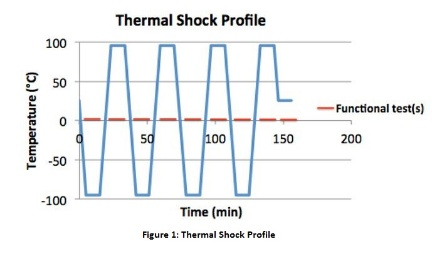
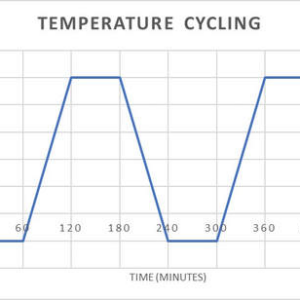
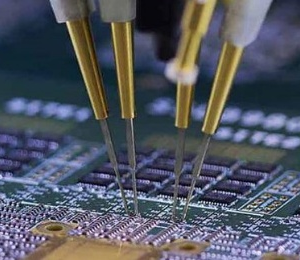
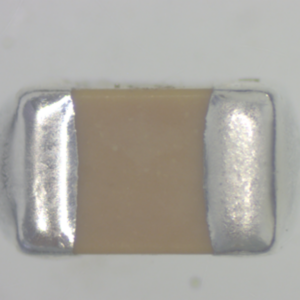
Thermal Shock Testing is a reliability test used to evaluate the ability of materials, components, and semiconductor devices to withstand sudden and extreme temperature changes. Samples are rapidly cycled between high and low temperatures to simulate real-world thermal stress, revealing weaknesses such as cracking, delamination, or solder joint failure. This method is essential for assessing the durability and thermal reliability of electronic and semiconductor components.
Applications
- Semiconductor Devices & ICs: Evaluate solder joint integrity, die attachment, and package reliability under rapid temperature changes.
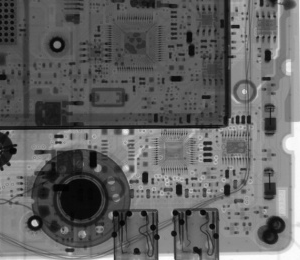
- PCB & Electronic Assemblies:Detect thermal stress-induced failures in multilayer boards and components.
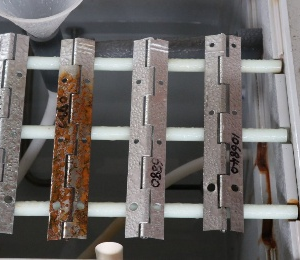
- Metals & Alloys: Assess susceptibility to cracking, warping, or delamination caused by thermal cycling.
- Failure Analysis: Identify weak points and failure mechanisms related to thermal expansion mismatch.
- Quality Control: Ensure components and assemblies meet thermal reliability standards.
- Reliability Assessment: Simulate operating conditions to predict long-term device performance under temperature fluctuations.
- Research & Development: Optimize materials, packaging, and device designs for improved thermal shock resistance.




Reviews
There are no reviews yet.