

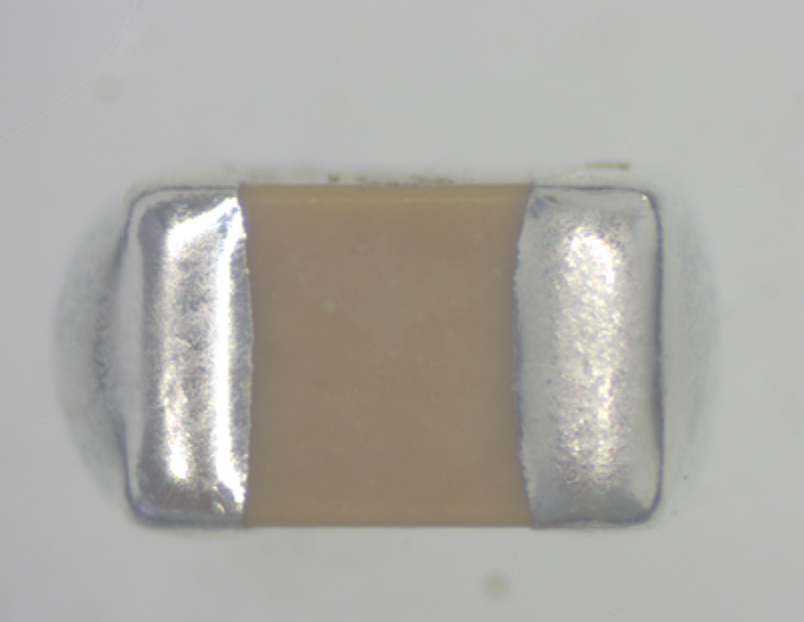


Description
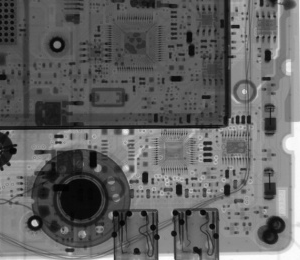
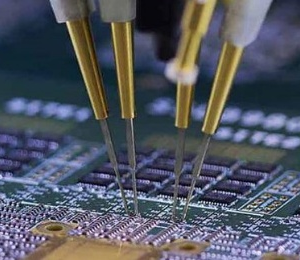
Solderability Testing is a reliability and failure analysis technique used to assess the mechanical and electrical integrity of solder joints in semiconductor devices, PCBs, and electronic assemblies. Tests may include visual inspection, X-ray imaging, thermal cycling, mechanical pull or shear testing, and electrical verification to identify defects such as cracks, voids, delamination, or weak adhesion. Solder testing ensures robust interconnections and reliable device performance.
Applications
- Electrical Connectivity: Verify that solder joints maintain proper electrical conduction.
- Mechanical Integrity: Assess joint strength, adhesion, and resistance to stress or vibration.
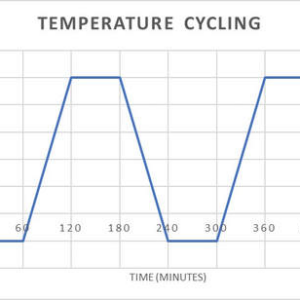
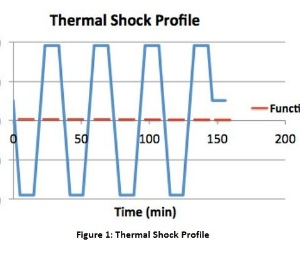
- Thermal Reliability: Evaluate performance under temperature cycling, thermal shock, or high-temperature operation.
- Failure Analysis: Identify solder-related failures such as cracks, voids, or fatigue.
- Quality Control: Ensure compliance with IPC standards and customer requirements for soldering quality.
- Component & PCB Evaluation: Test flip-chips, BGAs, CSPs, and other packaged devices.
- Research & Development: Optimize solder materials, processes, and assembly techniques for improved reliability.



Reviews
There are no reviews yet.