

Description
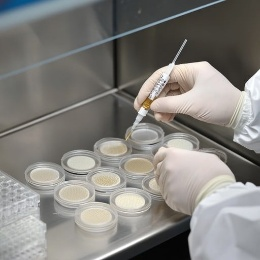
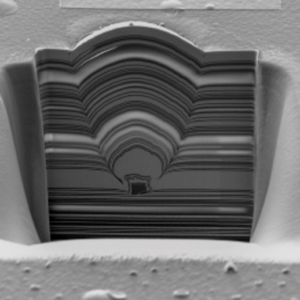
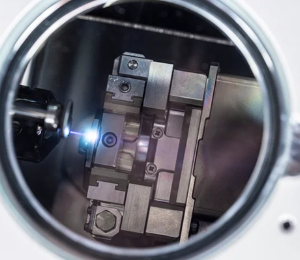
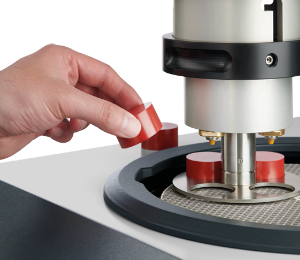
Biological Sample Preparation using HMDS (Hexamethyldisilazane) is a technique for dehydrating and stabilizing biological samples prior to high-resolution microscopy, such as SEM. HMDS replaces water in the sample, reducing surface tension and preserving delicate structures without the shrinkage or distortion associated with critical point drying. This method is widely used for cells, tissues, and microorganisms to achieve high-quality imaging of fine structural details.
Applications
- Cell & Tissue Imaging:Preserve cellular morphology and tissue architecture for SEM analysis.
- Microorganisms & Microbial Studies:Maintain the structure of bacteria, fungi, and other microbes.
- Nanostructure Visualization:Prepare delicate extracellular matrices, fibers, and biofilms without collapse.
- Material-Biology Interfaces:Analyze interactions between biomaterials and cells or tissues.
- Quality & Research:Support studies in biomedical research, pharmaceuticals, and life sciences.
- Failure & Contamination Analysis:Investigate biological contamination or biofilm formation on materials and surfaces.
- High-Resolution Imaging:Achieve artifact-free, detailed surface imaging of biological samples.
Reviews
There are no reviews yet.