

Description
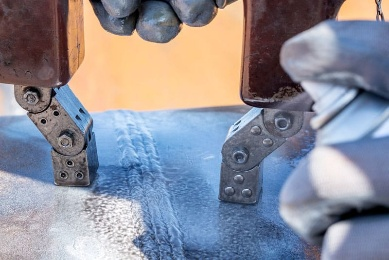
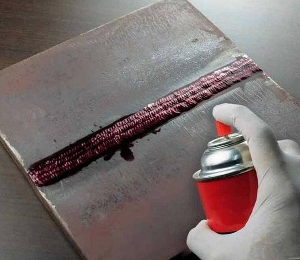
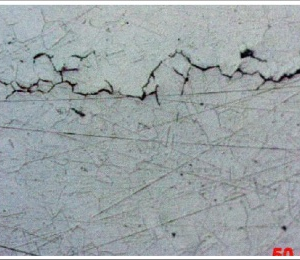
Magnetic Particle Inspection (MPI) is a non-destructive testing technique used to detect surface and near-surface defects in ferromagnetic materials, such as steel and iron. The component is magnetized, and fine magnetic particles—either dry or suspended in a liquid—are applied to the surface. These particles accumulate at discontinuities, such as cracks or voids, creating visible indications of defects. MPI is highly effective for detecting weld defects, fatigue cracks, and other structural flaws in metallic components.
Applications
- Surface & Near-Surface Crack Detection:Identify cracks, seams, laps, and inclusions in ferromagnetic metals.
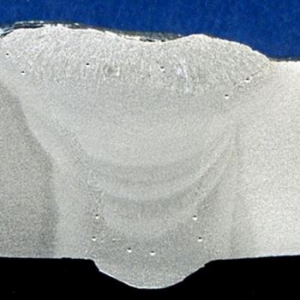
- Weld Inspection:Assess the integrity of welded joints and detect potential defects.
- Fatigue & Stress Analysis:Locate cracks that may form due to repeated loading or stress concentration.
- Quality Control:Ensure compliance with metallurgical and manufacturing standards.
- Failure Analysis:Investigate the root cause of material or component failure.
- Structural Component Assessment:Inspect gears, shafts, pipelines, and other critical metallic parts.
- Research & Development:Support evaluation of new alloys, heat treatments, and metallurgical processes.
Reviews
There are no reviews yet.