

Description
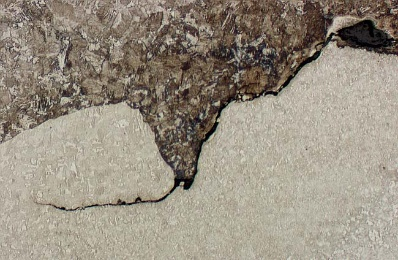
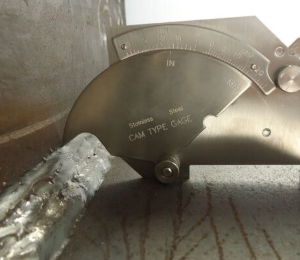
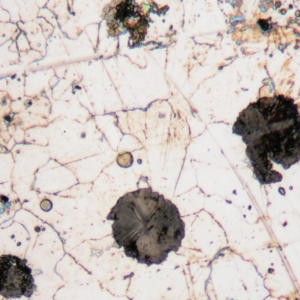
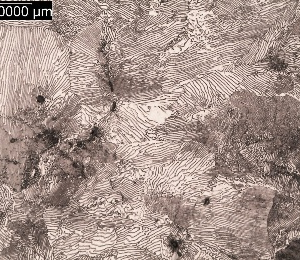
Macroscopic Examination involves the detailed visual inspection of a metal or alloy’s surface and cross-section under low magnification (typically 10–50×). This technique allows for the assessment of grain structure, welds, defects, and large-scale features that are not visible to the naked eye. Macroscopic examination is commonly used in failure analysis, quality control, and material characterization.
Applications
- Grain Structure Observation:Examine the size, shape, and distribution of grains in metals and alloys.
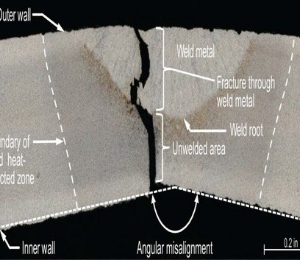
- Weld & Joint Inspection:Evaluate weld quality, penetration, and defects in fabricated components.
- Defect Detection:Identify cracks, voids, inclusions, porosity, or segregation.
- Coating & Surface Layer Assessment:Inspect layer thickness, uniformity, and adherence.
- Failure Analysis:Correlate macroscopic features with mechanical failure or wear.
- Quality Control:Ensure consistency and conformance to metallurgical standards.
- Pre-Microscopic Analysis:Select representative areas for detailed microscopic or chemical investigation.
Reviews
There are no reviews yet.